

Choosing a CNC machine shop often seems straightforward early in the process. A drawing goes out, several suppliers respond, and on paper many of them may look equally capable. They list similar equipment, quote similar tolerances, and offer lead times that appear workable enough to move forward. What usually does not become clear until later is how differently those suppliers perform once production begins, especially when a part requires more setup time than expected, material behaves differently than anticipated, or machining has to stay aligned with fabrication, finishing, or assembly happening elsewhere.
That is where buyers often discover that machine capacity and machining experience are not quite the same thing. A shop may own advanced equipment and still struggle if setup assumptions were too optimistic, if inspection resources are stretched, or if production scheduling becomes difficult once repeat orders begin competing for machine time. The strongest machining relationships usually start with a supplier that looks beyond the print and understands where jobs tend to become expensive or unpredictable before the first part is cut.
1. Equipment Matters, but Only When It Matches the Work
Most machine shops can produce straightforward parts without much difficulty. The difference usually appears when geometry becomes more demanding, when several machined features need to stay aligned across multiple setups, or when repeat production leaves less room for manual correction. A part with threaded features, multiple faces, machined sealing surfaces, or tight positional tolerances often requires far more than basic milling capacity, even if it looks relatively simple on a print.
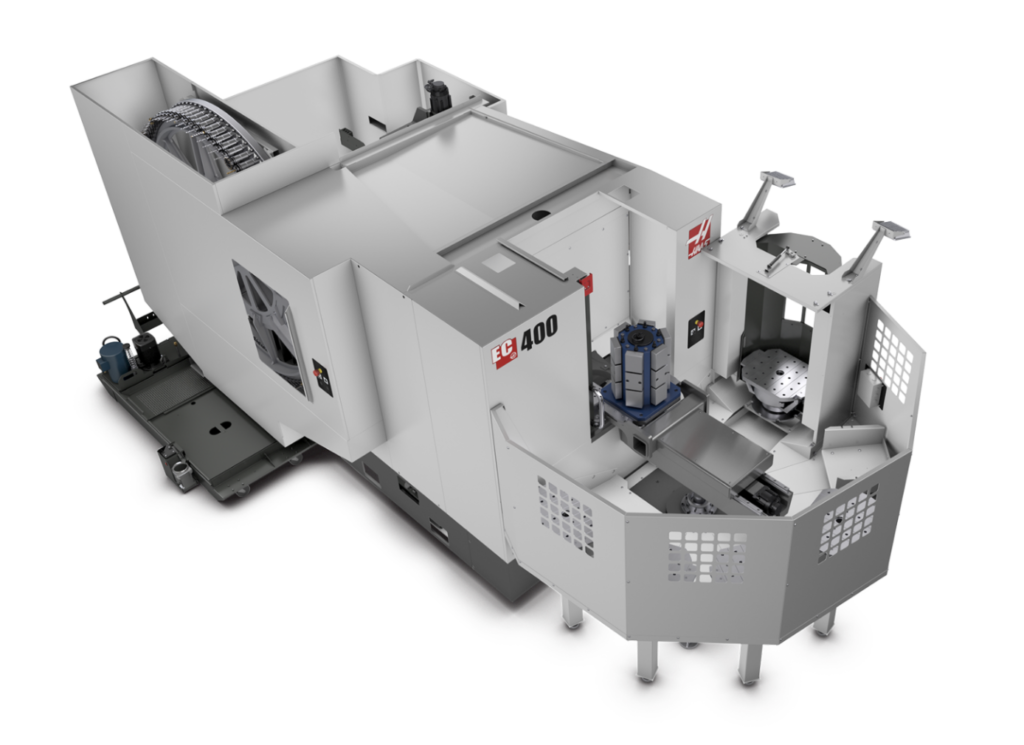
That is why advanced equipment only matters when it is regularly used for similar work. Five-axis machining, horizontal machining centers, and modern programming systems all expand what a shop can do, but the real value comes from knowing which machine, fixture strategy, and setup sequence make sense for the part rather than simply assigning it to whatever machine happens to be available. Shops that regularly machine more complex components usually approach setup planning very differently because they understand where variation tends to appear once production starts repeating.
This becomes even more important when machining happens after fabrication. Formed or welded parts often need secondary machining once primary fabrication is complete, and holding dimensions through both stages takes more coordination than many buyers expect. When those operations happen within the same production environment, there are fewer handoff points where dimensional drift, handling delays, or communication problems can enter the process. That is one reason integrated machining within a broader fabrication workflow often produces more predictable results.
2. Useful Questions Early Usually Mean Fewer Problems Later
One of the clearest signs that a machine shop understands the work is that they rarely move straight to quoting without first asking questions. Sometimes those questions are about tolerances that appear tighter than necessary. Sometimes they involve a feature that may be difficult to fixture cleanly, or a dimension that could drive unnecessary setup time without changing how the part actually functions.
That kind of feedback usually comes from having seen where similar jobs become expensive or difficult once they reach the machine floor. A supplier willing to challenge assumptions early is often paying closer attention to what happens during production, because they know where drawings that look straightforward can begin creating avoidable cost. In many cases, those conversations overlap with broader design for manufacturability decisions that affect machining time long before production begins.
3. Inspection Tells You More Than the Quote Usually Does
Two shops may both say they can hold the same tolerance, but that does not necessarily mean they control variation the same way once parts are running. For simple work, standard inspection may be enough. As tolerances tighten or production volume increases, the difference usually comes down to how often measurements are taken, how results are documented, and how quickly variation is identified before it spreads across multiple parts.
That is where inspection resources start to matter more than many buyers expect. Coordinate measuring systems, calibrated inspection tools, first-article verification, and disciplined in-process checks often tell you more about long-term reliability than an aggressive quote does. Most machining problems do not begin because a part is obviously wrong. They begin when variation appears gradually through tool wear, fixture movement, or material response and no one catches it early enough to prevent rework.
Formal systems such as ISO 9001:2015 do not guarantee perfect output, but they usually indicate that inspection is built into production rather than treated as something that happens only after machining is complete.
4. Material Experience Often Changes the Outcome
Material affects machining in ways that are easy to underestimate during quoting. Aluminum machines differently than stainless steel, not just in speed but in how burrs form, how heat behaves, and how surface finish holds across production runs. Stainless may require more careful control of tooling and heat. Carbon steel can introduce different wear patterns. Specialty alloys often add another level of unpredictability if the shop does not work with them regularly.
A supplier that machines across several material families usually develops practical judgment about where cycle times expand, where tooling needs adjustment, and where finishing or deburring starts affecting downstream assembly more than expected, particularly when different metals respond very differently during production, as they often do with ferrous and non-ferrous materials.
5. Prototype Success Does Not Always Mean Production Will Stay Smooth
A shop may handle prototype quantities very well and still struggle when the same job moves into repeat production. Early runs often receive extra attention because machine time is easier to allocate, setups can be adjusted manually, and delivery pressure is lower. Once order volume increases, those same jobs begin competing for spindle time, fixture repeatability matters more, and inspection has to move at production speed rather than prototype pace.
That is often the point where buyers learn whether a machine shop is built for repeat manufacturing or simply very capable with smaller batches.
6. Machining Becomes Harder When Too Many Vendors Are Involved
Many machined parts do not begin as raw stock alone. They may move through cutting, forming, welding, finishing, and assembly before final delivery. Every time those stages move between separate suppliers, dimensional accountability becomes harder to maintain because each process inherits variation from the one before it.
If a formed part arrives slightly different than expected, the machining operation still has to absorb that variation whether the print anticipated it or not. When machining, fabrication, finishing, and assembly remain under one roof, those adjustments happen faster because the teams involved can solve the problem inside the same production environment instead of passing questions between vendors. That is one reason integrated precision CNC machining often becomes more valuable when parts move through several operations before final delivery. That same advantage often extends to value-added manufacturing services that help parts leave production closer to final-use condition.
7. Reliable Lead Times Usually Come from Discipline, Not Optimism
The supplier promising the shortest lead time is not always the one most likely to hold it. Machine time, fixture preparation, inspection scheduling, tooling availability, and material timing all affect whether quoted delivery dates stay realistic once the job enters production.
Shops with disciplined production planning usually quote more carefully because they understand where jobs tend to slow down. That often leads to fewer surprises later, especially when production schedules tighten or secondary operations begin competing for available capacity.
8. Experience Matters Most When Something Unexpected Happens
Nearly every supplier looks capable when a part is straightforward and production conditions remain stable. Experience becomes far more visible when material responds differently than expected, when tolerance stack creates fit problems, or when a feature that looked simple in CAD becomes difficult once fixturing begins.
Shops that regularly support industrial equipment, electronics, enclosures, food systems, transportation components, or regulated manufacturing usually recognize those situations earlier because they have seen similar problems before. That does not replace engineering review, but it often shortens the path to the right decision when production stops being routine.
The Best CNC Machine Shop Is Usually the One That Feels Predictable Once Production Starts
Good machining is not simply whether a part can be produced to print one time. What matters more is whether that same result can be repeated without introducing uncertainty every time the job returns to production. Buyers usually remember the suppliers that stay steady when schedules tighten, revisions happen, or volumes increase, because predictability often matters more than speed once manufacturing becomes real.
That is often why the right machine shop is easier to recognize after a few production cycles than during the initial quote review. Early differences between suppliers can look small, especially when pricing, equipment lists, and quoted tolerances appear similar. Over time, the shops that communicate clearly, catch issues before they spread, and stay consistent as production conditions change usually become the ones buyers rely on most.
For companies sourcing parts that need to move from prototype into repeat production without constant correction, the goal is not simply finding a supplier that can machine the part once. It is finding one that can keep delivering the same result when schedules tighten, revisions happen, and the work becomes less predictable than it looked at the start.