

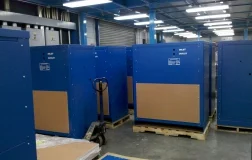
 Custom metal electrical panels and enclosures do more than house electrical components. They protect critical systems, support safe access, and help equipment perform reliably in the environments where it will actually be used — which means enclosure fabrication is never just a box-building exercise.
For OEMs, automation companies, and infrastructure suppliers, the finished enclosure has to account for how components mount inside it, how wiring enters and routes through it, how heat escapes it, and how a technician will service it five years from now. When those details aren’t considered early, small design decisions turn into larger problems during fabrication, finishing, assembly, or installation. That is why custom electrical panel and enclosure fabrication works best when the fabricator understands the full production path, not just the flat pattern.
Start With the Application, Not Just the Drawing
A technical drawing is essential, but it rarely tells the full story of how an enclosure will be used. An enclosure mounted in a climate-controlled equipment room has different requirements than one bolted to a machine frame in a facility with washdown cycles, and a panel in a data center infrastructure program has different cosmetic and integration expectations than one buried inside industrial machinery. Exposure to moisture, chemicals, vibration, heat, or frequent handling all influence material selection, finish requirements, and hardware choices — and none of that information lives on the drawing.
Early review makes sure the enclosure is not only manufacturable but practical for the environment it has to survive. For more complex programs, engineering and design-for-manufacturability support can surface these issues before they affect cost or timing, and EVS has covered how engineers can reduce fabrication cost before first article by making material, tolerance, and finishing decisions earlier in the process.
Material Selection Affects Performance, Cost, and Durability
Material choice is one of the first major decisions in enclosure fabrication, and steel, stainless steel, and aluminum each carry different implications. Steel is often selected for strength and durability when weight is less of a concern. Stainless steel earns its cost premium when corrosion resistance or washdown requirements are in play. Aluminum makes sense when weight reduction or ease of handling matters — a large panel that two technicians have to lift into position during installation is a different problem in steel than in aluminum.
The right answer depends on the enclosure’s function, location, internal components, and finish requirements, because choosing the wrong material affects more than fabrication cost. It follows the enclosure through installation, durability, and maintenance for the life of the program.
Design Details Matter in Electrical Enclosure Fabrication
Electrical panels and enclosures concentrate a lot of features into a small space — cutouts, doors, hinges, latches, mounting points, ventilation, internal brackets — and each one can affect fabrication, finishing, and assembly, so they need to be considered together rather than one at a time.
A design can look complete on paper and still fail in practice. A cutout placed across a bend line distorts when the part is formed. A door designed to nominal dimensions binds after powder coating adds thickness to both the door edge and the frame. A ground stud gets coated along with everything else because nobody called out masking, and now it doesn’t conduct. None of these are exotic failures — they are the ordinary consequences of designing the enclosure and planning its production as separate activities.
Considerations worth resolving before fabrication include cutout locations relative to bends and formed features, hinge placement and latch access, clearance for wiring and service access, coating thickness on mating surfaces, masking requirements for grounding points and threaded hardware, and how the finished enclosure will be protected in packaging.
Fabrication Requires Precision and Repeatability
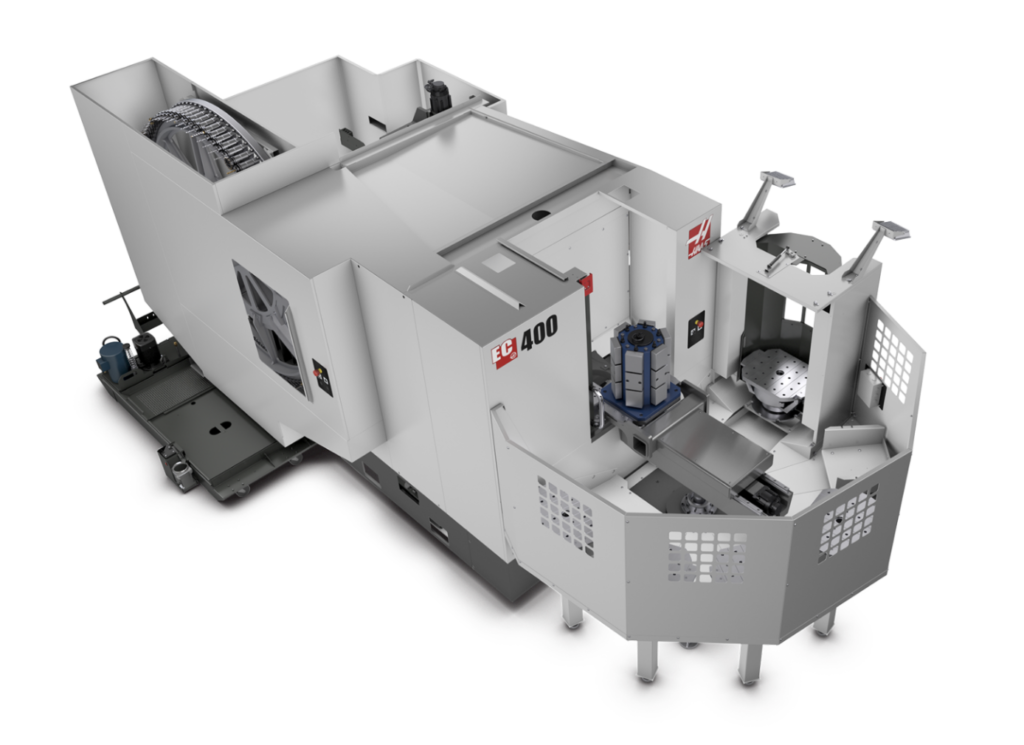 Once design and material are confirmed, the enclosure moves through production — which may include precision sheet metal fabrication, laser cutting, punching, forming, CNC machining, welding, hardware insertion, and deburring, depending on the part.
Precision matters because enclosures have to align with the things inside and around them: mounting patterns, doors, internal panels, and adjacent assemblies. Repeatability matters because most OEM programs need the same enclosure produced consistently across orders, and an enclosure that fits in March but binds in September is a quality problem even if every individual part technically passed inspection. The fabricator needs to understand not just how to cut and form the part, but how the finished enclosure will be assembled, finished, and used.
Finishing and Powder Coating Should Be Planned Early
For most electrical panels and enclosures, the finish is functional — it protects the metal, supports corrosion resistance, and creates a consistent appearance across a product line. Powder coating and metal finishing are common choices because they hold up in demanding industrial environments, but they have to be planned, not appended.
Coating adds measurable thickness, which matters anywhere two surfaces meet — door edges, mating flanges, hardware threads. Grounding points and electrical contact surfaces need masking, or they need to be installed after coating. Cosmetic surfaces need to be identified so they’re handled and racked accordingly. An enclosure designed with finishing in mind coats evenly, assembles without rework, and ships looking the way it’s supposed to. For buyers weighing their options, EVS has also covered the benefits of in-house powder coating for quality control and schedule coordination.
Assembly and Integration Can Reduce Supplier Handoffs
Many enclosure programs need more than fabricated metal — hardware insertion, mechanical assembly, electromechanical integration, labeling, and packaging coordinated with other components. When fabrication, finishing, and assembly are split across separate vendors, every handoff is another place where a masking requirement, a revision, or a packaging spec can get lost between companies.
For programs with recurring production or assemblies that need to arrive ready for the next stage of manufacturing, assembly and integration capabilities under one roof simplify the supply chain, and design for assembly can reduce fit-up problems and make repeat orders easier to manage.
Quality Control Is Built Into the Process
Electrical panels and enclosures often carry dimensional, functional, cosmetic, and documentation requirements at the same time, so quality control can’t live only at final inspection — it has to be built into engineering review, fabrication, finishing, and assembly. Depending on the application, inspection may cover critical dimensions, hole locations, door fit, weld quality, finish quality, and compliance with customer specifications. Some programs also carry NEMA-rated enclosure requirements or UL enclosure design and certification considerations, which shape both design and documentation from the start.
For repeat production, documented standards and certifications support consistency across orders — because for OEMs, the goal is not one good enclosure. It’s a supplier that delivers the same result across the life of the program.
Common Applications for Custom Electrical Panels and Enclosures
Custom metal electrical panels and enclosures support industrial machinery, automation and controls, power distribution equipment, data center and infrastructure programs, energy systems, transportation equipment, and medical and laboratory equipment, among other OEM applications. Each use case carries its own requirements, which is why a one-size-fits-all approach rarely works — the best results come from aligning design, material, finish, and production plan with the application from the start.
For buyers comparing potential suppliers, it can help to review the industries served and types of work a fabricator can support.
Evaluating Suppliers for Enclosure Work
We’ve covered the broader question of choosing a metal fabrication partner — capabilities, quality systems, and fit — and those fundamentals apply here too. For enclosure programs specifically, a few additional questions matter: whether the supplier offers in-house powder coating and understands masking requirements, whether they have experience with NEMA-rated or UL-relevant enclosure work, whether they can support hardware insertion and assembly, and how they manage revisions across repeat production. For OEMs evaluating broader supplier consolidation, EVS has also written about when it makes sense to outsource contract manufacturing and fabrication to a partner with more complete in-house capabilities.
How EVS Supports Custom Electrical Panel and Enclosure Fabrication
EVS Metal supports custom electrical panel and enclosure programs through precision sheet metal fabrication, CNC machining, forming, welding, hardware insertion, finishing and powder coating, assembly and integration, quality control, and logistics. Because those capabilities are supported across multiple EVS facilities, customers work with a fabrication partner that understands how each stage of production affects the final result — from manufacturability review through repeatable production and delivery.
For OEMs and industrial buyers, that means a more coordinated path from design review through fabrication, finishing, assembly, inspection, and delivery. To discuss a project, request a quote or contact the appropriate EVS facility through the facilities contact page.
Frequently Asked Questions
What materials are used for custom electrical panels and enclosures? Steel, stainless steel, and aluminum are the most common. Steel offers strength and cost efficiency for general industrial use, stainless steel supports corrosion resistance and washdown environments, and aluminum reduces weight for large panels or applications where handling matters. The right choice depends on the operating environment, internal components, and finish requirements.
What is the difference between NEMA-rated and UL-listed enclosures? NEMA ratings describe an enclosure’s level of protection against environmental conditions like dust, water, and corrosion, while UL listing involves third-party certification that an enclosure or control panel meets specific safety standards. A program may require one, both, or neither depending on the application, and those requirements should be confirmed before design is finalized because they affect construction details, materials, and documentation.
Why does powder coating need to be planned before fabrication? Powder coating adds measurable thickness to every coated surface, which affects door fit, mating flanges, and threaded hardware. Grounding points and electrical contact surfaces also need to be masked or installed after coating to remain conductive. Planning finishing requirements during design prevents fit and conductivity problems that are expensive to correct after parts are coated.
Can one supplier handle fabrication, finishing, and assembly for enclosures? Yes — some fabricators, including EVS Metal, support fabrication, powder coating, hardware insertion, and assembly in-house. Consolidating those steps with one supplier reduces handoffs between vendors, which lowers the risk of lost requirements, transit damage, and schedule gaps between production stages.
What design details cause the most problems in enclosure fabrication? Common issues include cutouts placed too close to bend lines, doors designed without allowance for coating thickness, missing masking callouts for grounding points, and insufficient clearance for wiring or service access. Most of these are inexpensive to fix during design review and expensive to fix after fabrication.
What information does a fabricator need to quote a custom enclosure? A complete drawing or CAD model, material and thickness requirements, finish specifications, quantity and expected order frequency, and any applicable NEMA, UL, or customer-specific requirements. Information about the operating environment and how the enclosure will be installed and serviced also helps the fabricator flag potential issues during quoting rather than during production.